BONE GRAFT
BONE GRAFTS
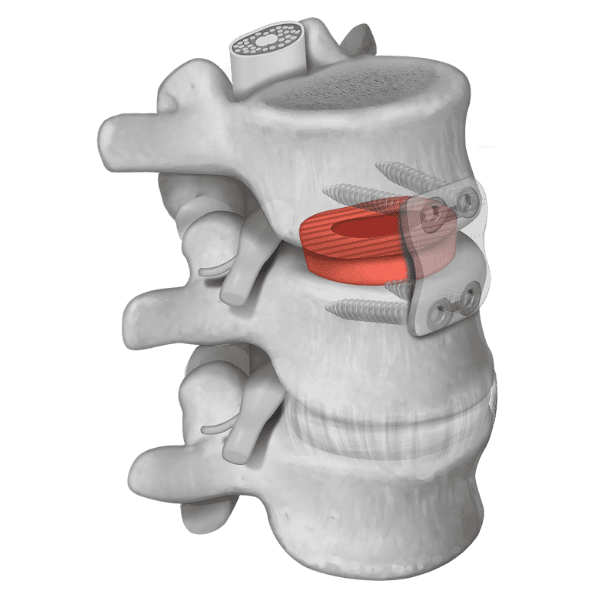
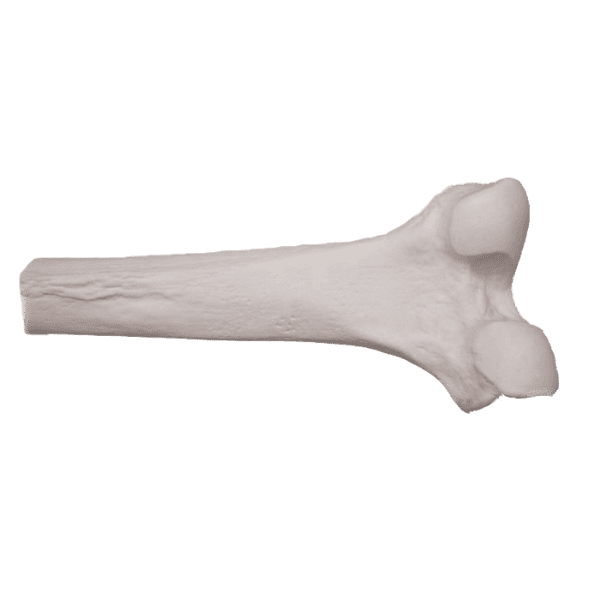
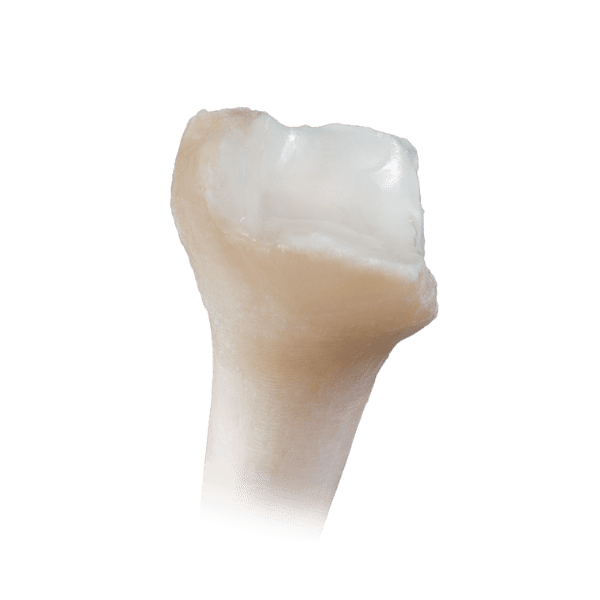
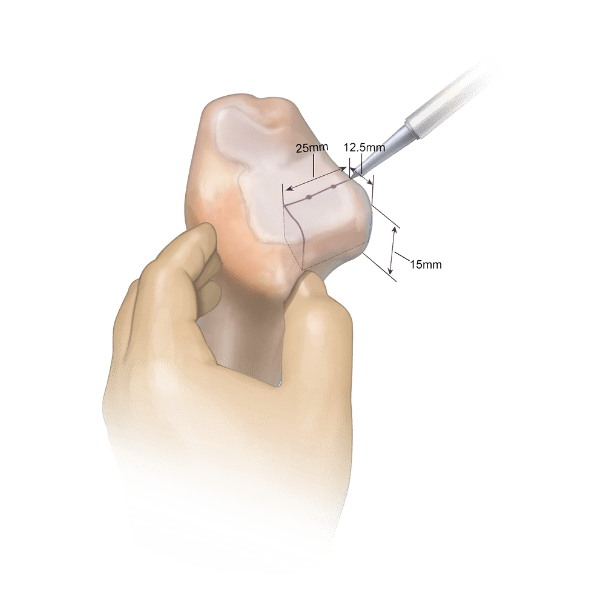
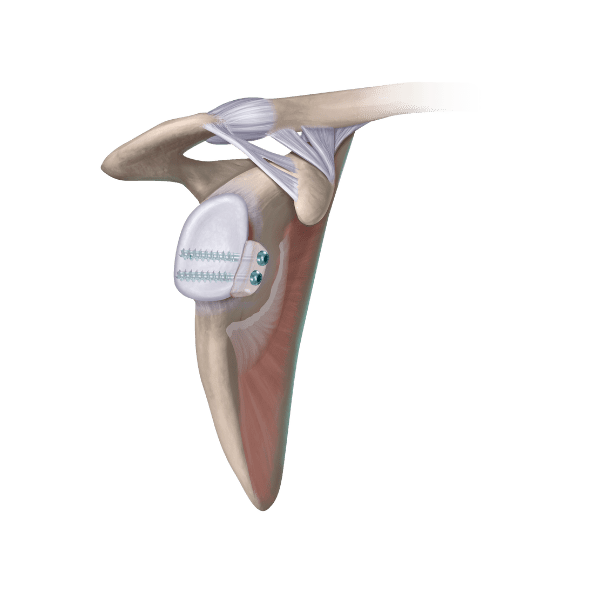
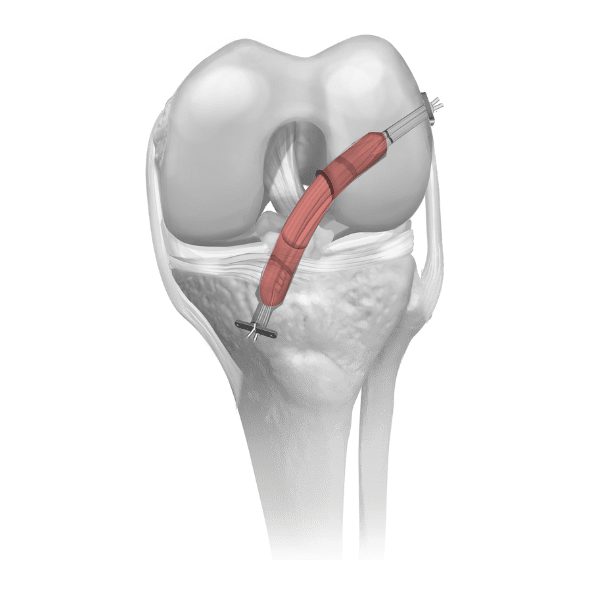
Bone grafting is a surgical procedure that replaces missing bone and provides a scaffold for new bone growth. Bone grafts may be autograft (obtained from the patient’s body), allograft (obtained from a donor), or synthetic.
- Eliminates the need for a second surgical site
- Reduced pain and loss of function from the second surgical site
- Reduced surgical time
- Reduced risk of infection or bleeding
- Reduced recovery time after surgery
- Osteoconductive: graft acts as a scaffold for the growth of natural bone
- Osteoinductive: graft contains growth factors that recruit immature cells and stimulate those cells to develop into active bone-forming cells called osteoblasts
- Osteogenic: graft directly provides living cells that contribute to the growth of natural bone
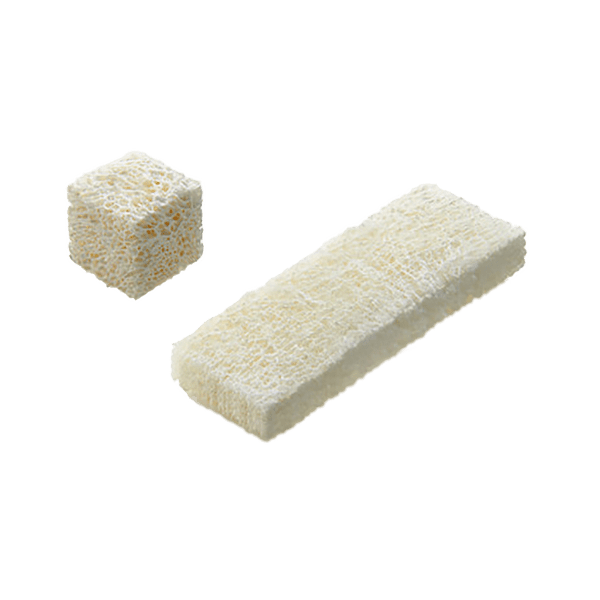
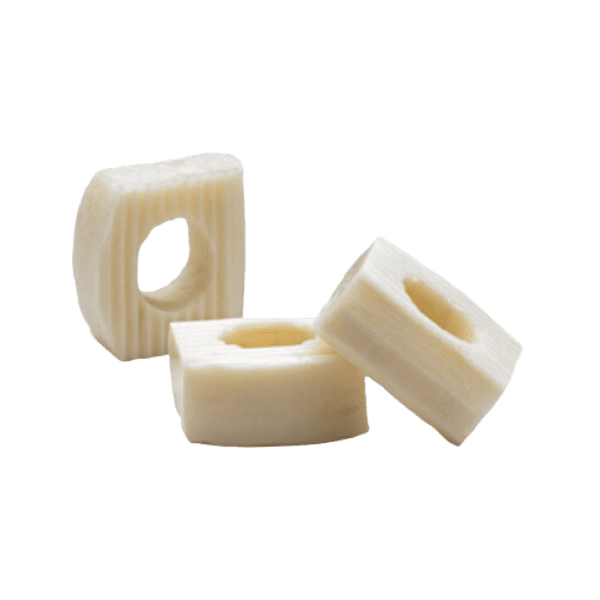
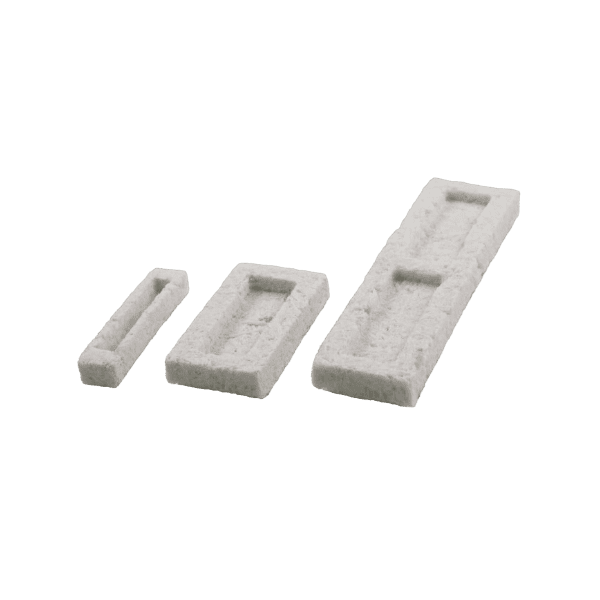
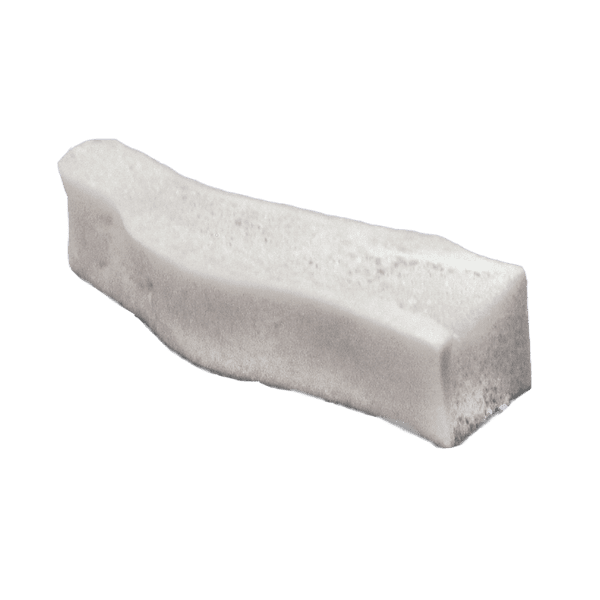
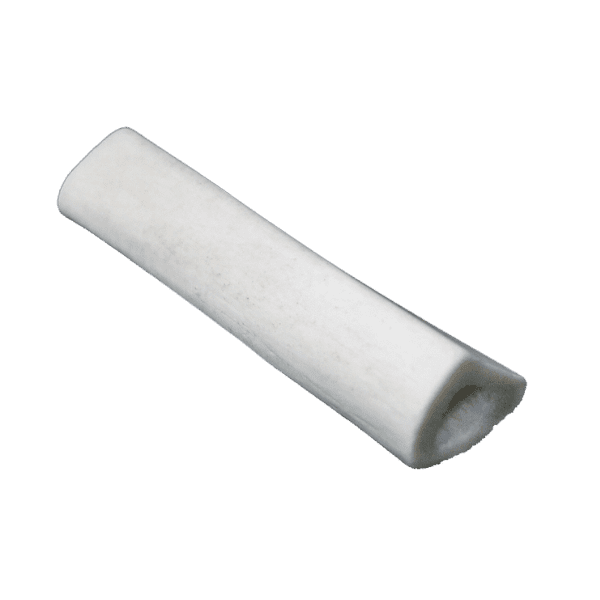
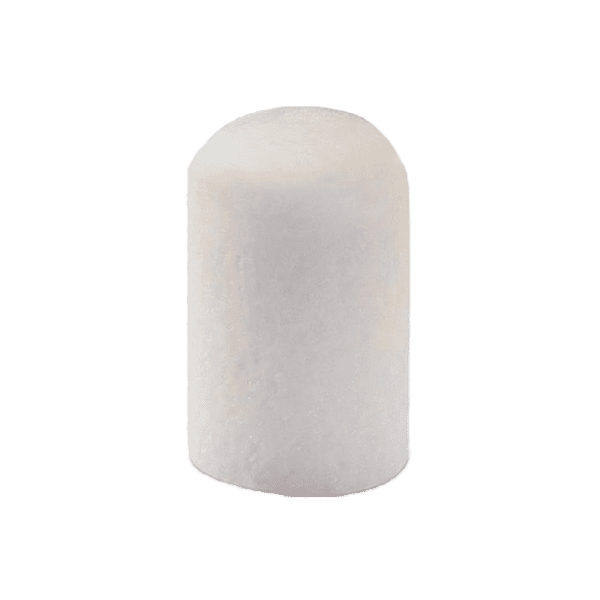
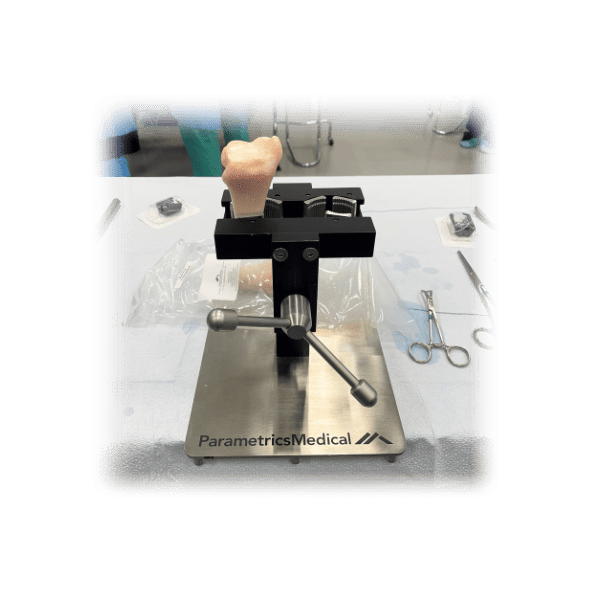
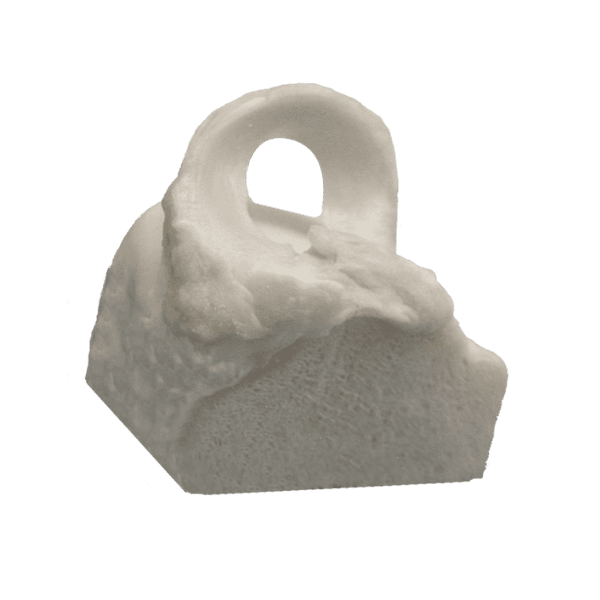
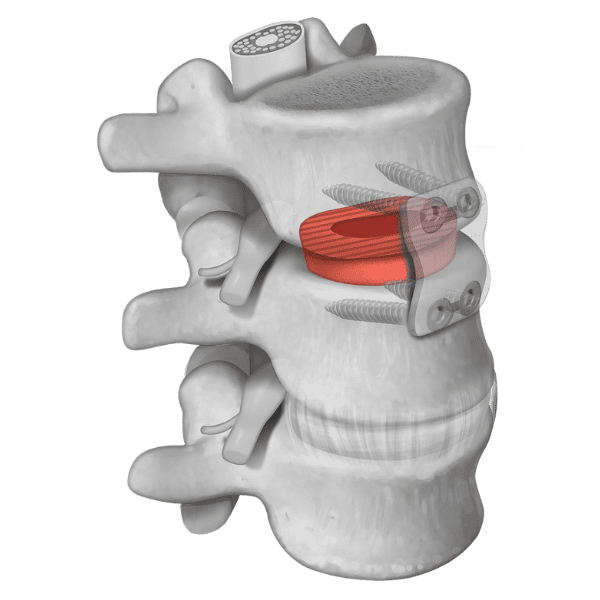
MACHINED SPACERS
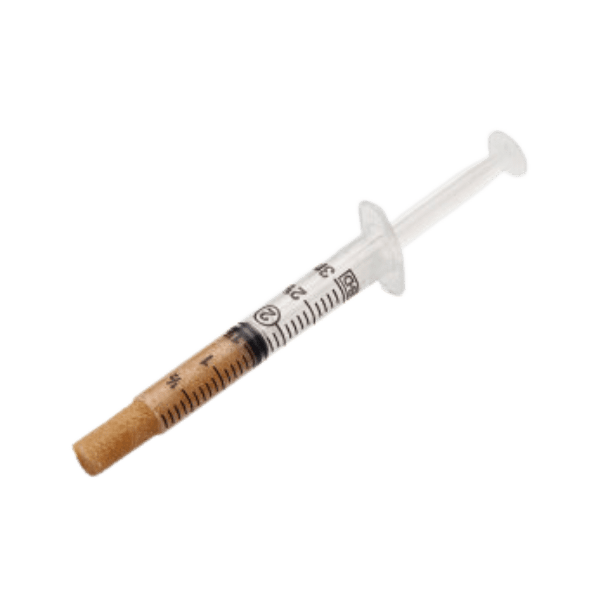
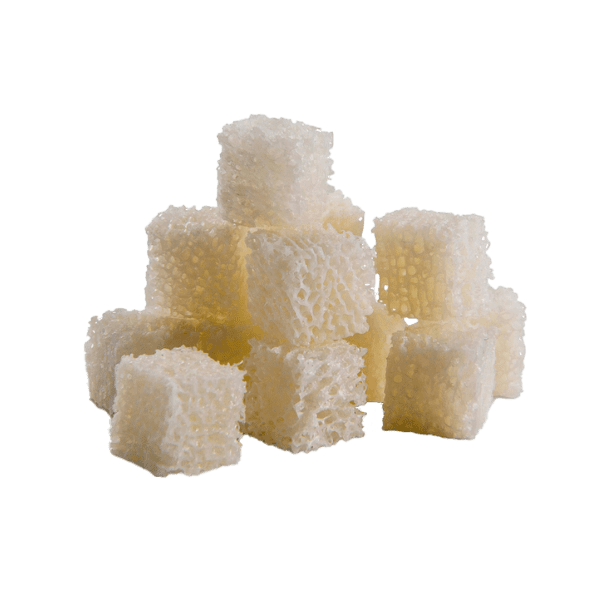
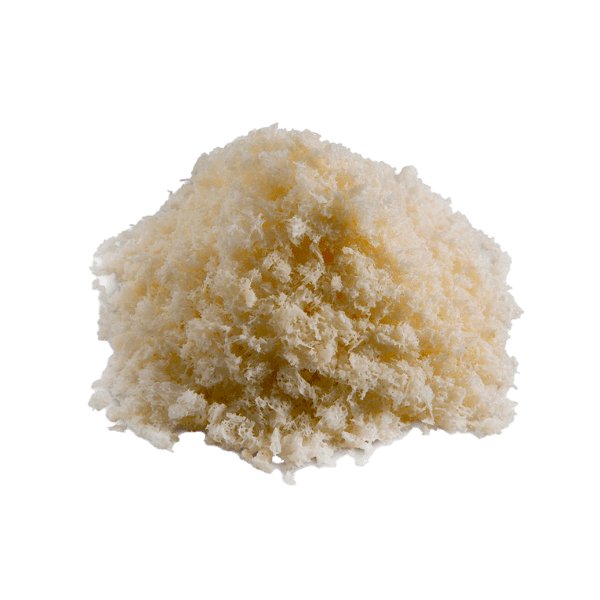
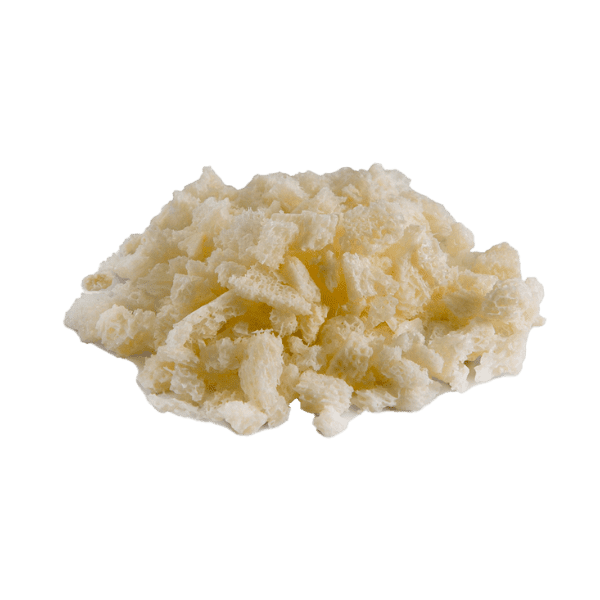
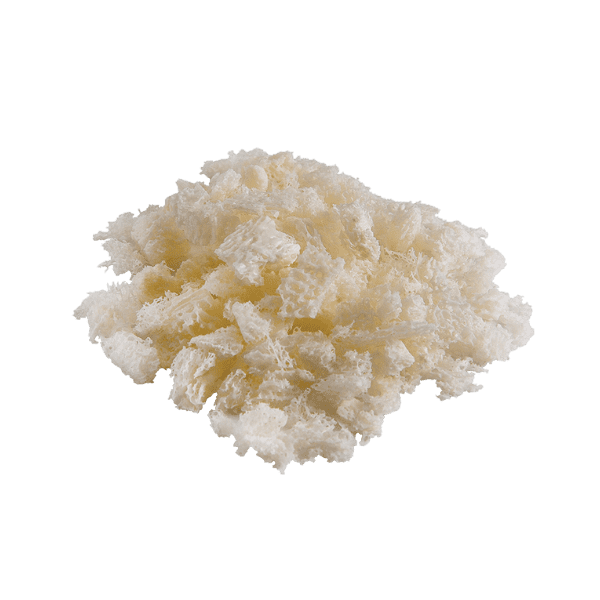
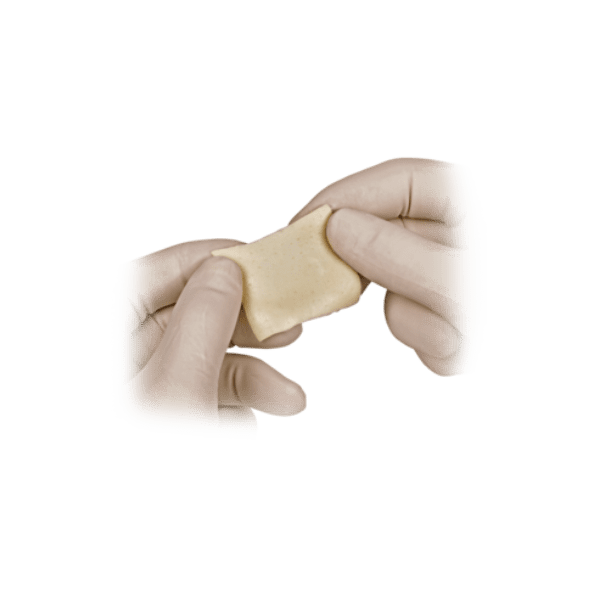
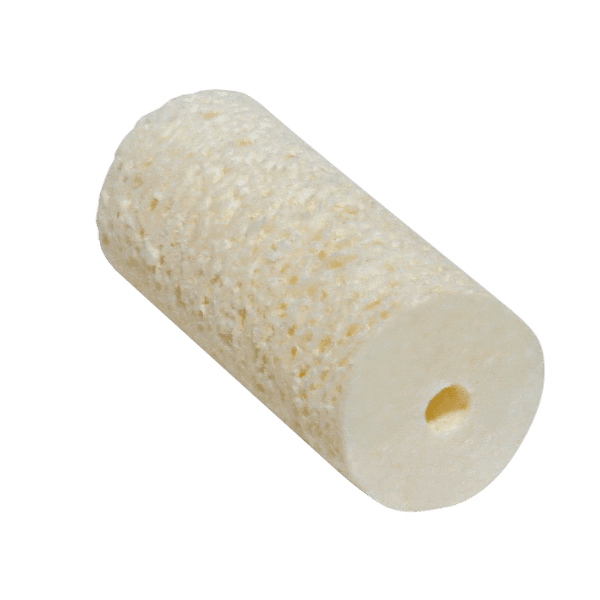
SYNTHETIC BONE
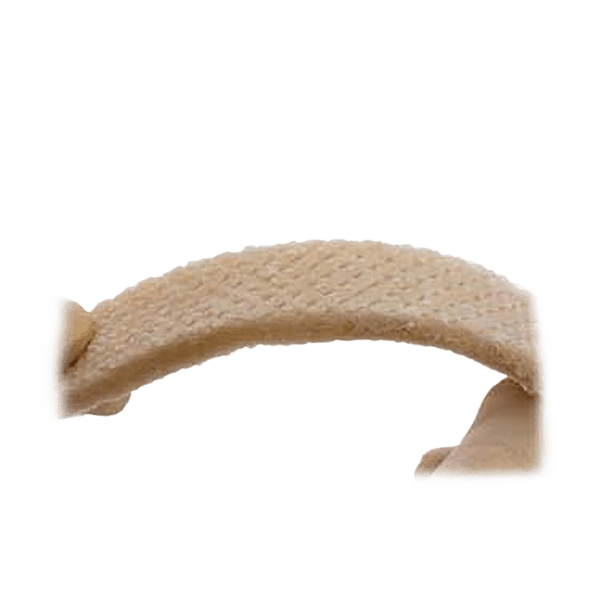
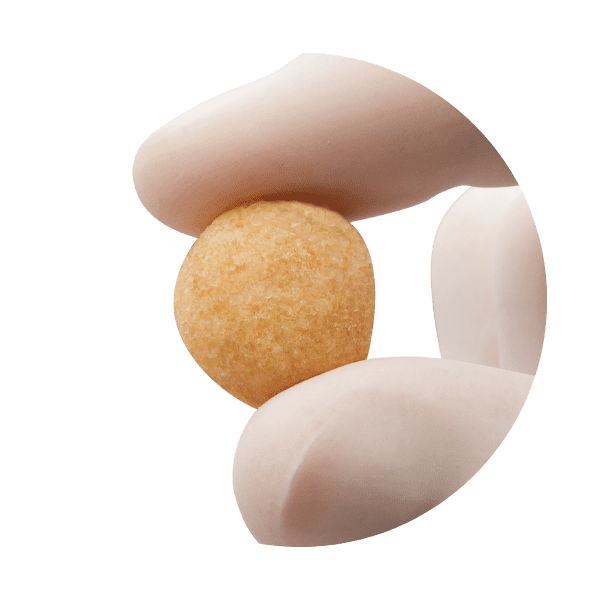
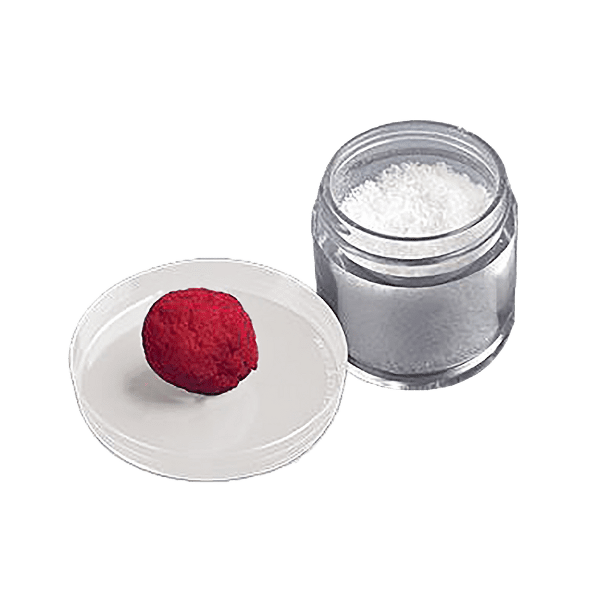
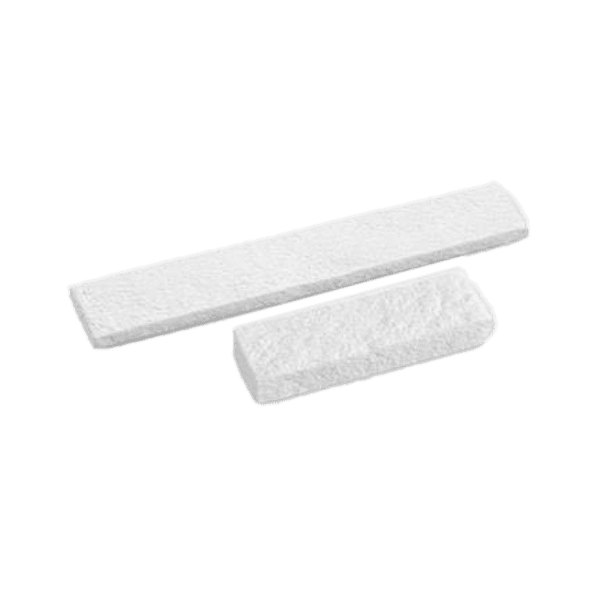
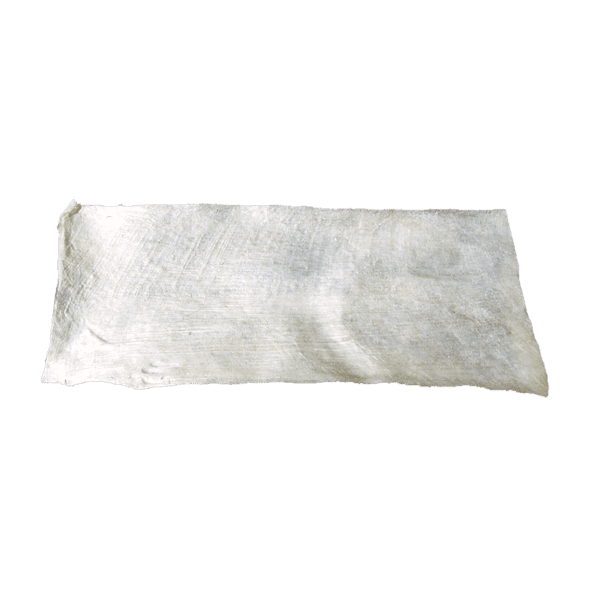
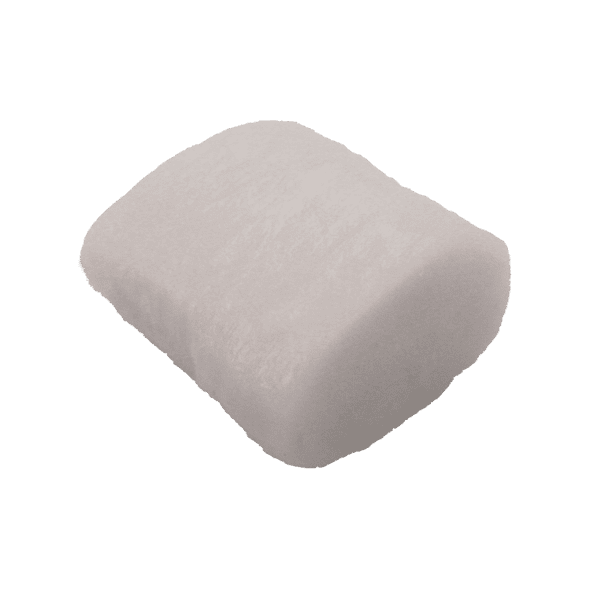
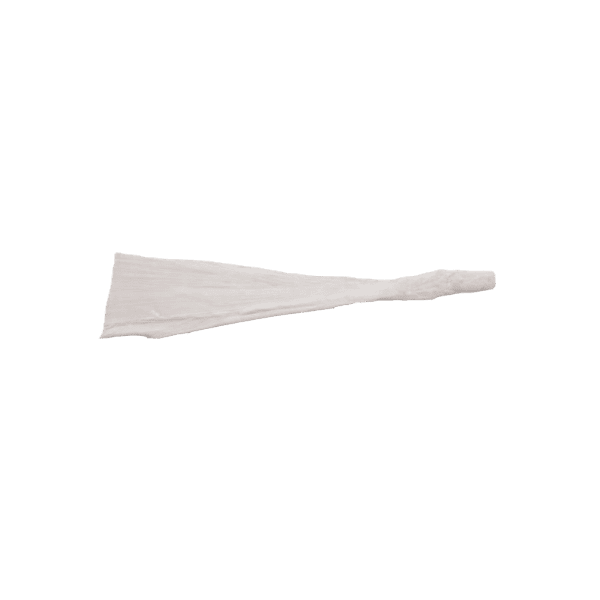
Synthetic bone void fillers are safe, biocompatible, and easy to use. These resorbable biomaterials are based on nano-crystalline hydroxyapatite (HA) and purified collagen technologies. These products are engineered to optimize the resorption rate. Our granules are composed of 60% HA and 40% β-Tricalcium Phosphate (TCP). The formulation provides optimal osteoconduction, and the composition mimics that of human cancellous bone. Our strips are a combination of granules embedded in a fibrillar bovine collagen matrix. Once rehydrated, the foam is flexible. Our bioactive glass foam strips are sterile bone grafts composed of highly purified fibrillar Type I bovine collagen, bioactive glass granules, and HA/TCP granules.